Why Tree Removal Metairie Is Essential for Dead Trees Near Play Areas

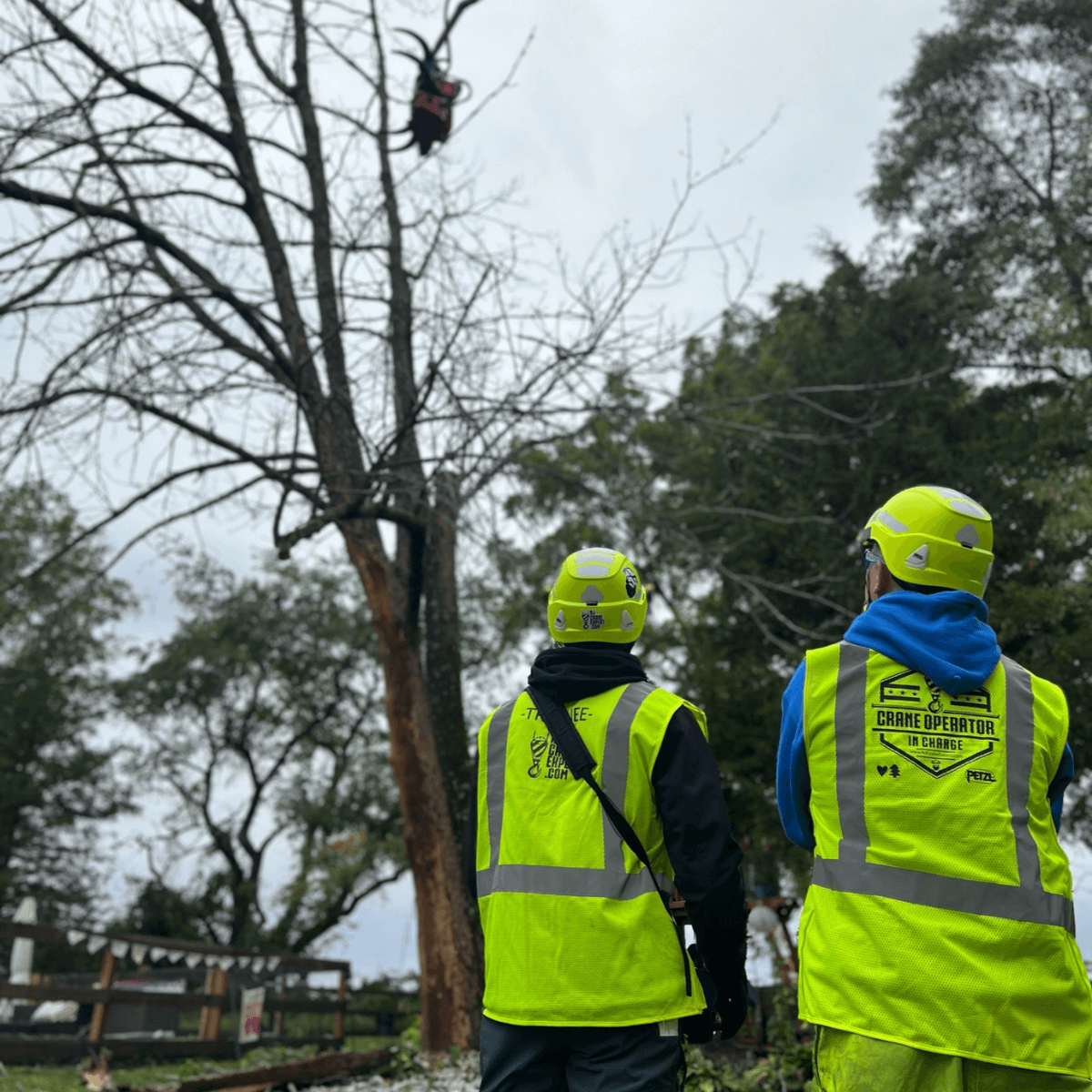
A dead tree beside a play area is not a landscaping issue. It is a safety issue with a short fuse.
Children move unpredictably. They run under canopies, swing from low limbs, gather in shade, and return to the same favorite spots day after day. Adults tend to read a yard or park with calmer eyes. We notice the fence line, the mulch, the worn path to the slide. Kids notice the branch that looks like a pirate ship mast. That difference matters. A tree that seems merely tired or unattractive to an adult can become a direct hazard once a child starts climbing, tugging, or simply standing beneath it during recess or a birthday party.
In Metairie, where heat, humidity, heavy rain, and storm seasons all shape the landscape, tree health changes faster than many property owners expect. A tree can hold its outline long after its structure has failed. The leaves may thin gradually, the bark may peel only on one side, or the trunk may look solid while decay hollows it from within. By the time the danger is obvious from across the yard, the risk has often been there for months.
That is why tree removal Metairie becomes essential when a dead tree stands near any place children gather. Not because every older tree is a threat, and not because removal is always the first answer, but because dead wood and play zones are a bad combination. Experience teaches this quickly. Once you have seen a heavy limb shear off on a calm afternoon or watched a trunk split from rot after a week of rain, you stop treating dead trees as something that can wait until next month.
A dead tree is unpredictable in the worst way
Living trees flex. They seal off damage, move water, and put on growth that helps them respond to stress. Dead trees do none of that. Once a tree dies, every storm, every fungal pocket, and every insect channel weakens it further. The structure only goes in one direction.
That matters near swing sets, schoolyards, church playgrounds, daycare lots, and backyard play equipment because these spaces create repeated exposure. Even if the chance of branch failure on a given day seems small, the tree stands over people who use that spot constantly. Risk is not just about the size of the danger. It is also about how often someone is in the path of it.
One of the more dangerous misconceptions is that a dead tree will look obviously dead from top to bottom. Sometimes it does. Sometimes it stands gray and bare, dropping bark in strips. Other times the crown still has a few leaves, or vines cover the trunk, or a neighboring tree makes the canopy look fuller than it is. I have seen property owners point to one green limb and assume the tree is fine, while the main stem was already compromised enough to fail under modest wind.
Near play areas, that kind of uncertainty is reason enough to act quickly. A healthy tree may justify monitoring and pruning. A dead one, especially if it can strike children, equipment, benches, fences, or walkways, usually does not deserve a wait and see approach.
Why play areas change the standard
Not every dead tree demands immediate emergency work. Location is what changes the urgency.
A dead tree in the far rear corner of a large lot is still a problem, but it is not the same problem as a dead tree over monkey bars or beside a sandbox. Around play areas, there is very little margin for error. Children do not reliably avoid hazard zones. They bunch together, stop suddenly, and often play where shade falls, which is exactly where a mature tree casts its canopy.
There is also the issue of supervision. Parents and staff cannot keep eyes on every child every second. A branch does not send a warning. It fails all at once. In real settings, accidents happen during ordinary moments, not dramatic storms. A hot afternoon, a damp morning after rain, a gust front before weather fully arrives, those are common windows for limb drop.
For homeowners, this often becomes most urgent when a dead tree hangs over a trampoline, playhouse, or pool deck. For commercial properties and institutions, the stakes rise further. Schools, apartment complexes, parks, and childcare centers have more foot traffic and a greater duty to maintain safe grounds. In those cases, delaying tree removal Metairie work can create liability on top of the physical hazard.
What dead trees near children actually do when they fail
People often imagine a whole tree toppling over in one dramatic event. That certainly happens, but many failures are smaller and just as dangerous.
A large dead limb can weigh hundreds of pounds. Even a smaller branch falling from twenty or thirty feet up carries enough force to cause severe injury. Trunks can split vertically. Decayed root plates can shift after saturated soil loosens their hold. Hollow stems may look stable until one side gives way under its own weight.
Play areas magnify all of this because of their layout. Equipment tends to concentrate movement in a compact footprint. A failing branch does not need to hit a child directly to cause harm. It can strike a swing set, ricochet, snap support structures, or block exits from a fenced play space. I have also seen dead limbs damage rubber surfacing and shade structures, turning one hazard into several more.
The most overlooked danger is partial failure. A tree does not need to collapse entirely to be unacceptable. Once major deadwood starts coming down, the remaining structure can become even less predictable. After an initial break, weight shifts, hidden cracks open wider, and future failures become more likely.
Local conditions in Metairie make delay riskier
Metairie landscapes face stresses that shorten the safe life of compromised trees. Long humid seasons encourage decay organisms. Periods of heavy rain can saturate soil and expose root weakness. Thunderstorms and tropical weather do not need to reach headline status to trigger failure in a dead tree. A modest event is enough when the wood has already lost integrity.
Urban and suburban growing conditions also play a role. Trees near driveways, sidewalks, compacted lawns, utilities, or fill soil often carry hidden root stress for years before the canopy shows it. Construction damage is another common factor. A trench cut too close to roots or grade changes around the base can start a decline that eventually ends in death. By the time the tree is visibly failing, the structural damage is already established.
This is one reason local judgment matters in tree removal Metairie projects. The species, the exposure to prevailing winds, the drainage pattern, and the targets underneath all matter. A dead pine near an open backyard behaves differently from a decayed oak over a school play yard. There is no honest one size fits all answer, but there is a consistent principle: when a dead tree can strike children, fast action is usually the responsible choice.
The warning signs families and property managers often miss
Many dangerous trees are not ignored because people are careless. They are ignored because the signs are easy to misread.
A bare crown in winter might be normal for some species, but in a local climate with mostly active growth for much of the year, prolonged absence of leaves can be meaningful. Mushrooms at the base may suggest internal decay, though not every fungus means immediate failure. Bark falling away in large plates, carpenter ant activity, deep cracks, cavities, and sudden leaning are all serious clues. So is deadwood throughout the canopy, especially if pieces are already dropping into the play area.
Here are some signs that should prompt a professional assessment without delay:
- Large dead limbs directly over a play area, walkway, or seating zone
- Noticeable trunk cracks, cavities, or missing bark on the main stem
- Fungal growth near the base or on exposed roots
- A recent lean or soil lifting around the root plate
- Repeated limb drop, even in mild weather
The presence of one sign does not always guarantee imminent collapse, but around children, these are not conditions to monitor casually for another season.
Why pruning is not always enough
People naturally ask whether the tree can simply be cleaned up. Sometimes, yes. If the tree is alive, structurally sound overall, and the problem is limited to a few dead limbs, selective pruning can restore safety and preserve shade. That is often the best outcome.
A dead tree is different. Once the tree itself has died, pruning can reduce some immediate hazards but rarely solves the core issue. You may remove the obvious dead branches and still leave behind a dead trunk with declining root stability. In some cases, heavy reduction pruning on a dead tree can even make the remaining structure more unstable by changing balance and exposing weak attachment points.
There are edge cases. A dead snag in a naturalized area, far from traffic and intentionally retained for wildlife habitat, can be reasonable. But that logic does not translate to a yard or playground. Habitat trees belong where people are not gathering underneath them. Safety zones and wildlife goals need clear separation.
This is where professional judgment counts. The right question is not, “Can any part of this tree be left standing?” The right question is, “Can this tree remain here without exposing children to an unreasonable risk?” Near play areas, the answer for dead trees is often no.
Removal is a safety procedure, not just a cutting job
Safe removal near active family spaces requires planning. There may be fences, utility lines, sheds, neighboring property, or installed equipment below the canopy. Access can be tight. The tree may need to be dismantled in sections rather than felled whole. That takes skill, the right rigging, and a clear drop strategy.
This is another reason prompt action helps. A dead tree that is removed earlier is often safer and simpler to handle than one left to deteriorate for another storm season. As wood becomes more brittle and root integrity declines, the removal itself can become more hazardous. Limbs break unexpectedly under load. Climbing options narrow. Equipment placement becomes more complicated if the tree starts leaning over structures.
Property owners sometimes delay because they are hoping to bundle the work with other yard projects later. From a budget standpoint that impulse is understandable. From a risk standpoint it is often the wrong call. A dead tree over a play area should move to the top of the list.
The liability side no one enjoys discussing
No one likes to think about legal exposure when they are looking at a backyard tree, but it is part of responsible ownership. If a known dead tree injures a child, the aftermath is not limited to repairs and cleanup. There can be medical costs, insurance claims, disputes over notice, and hard questions about why the tree remained in place.
For landlords, homeowners associations, schools, churches, and businesses, documentation matters. If a complaint has been made, if a limb has already fallen, or if a service provider has recommended removal, the case for delaying gets weaker very fast. Even for private homeowners, a recorded hazard that was left standing can complicate insurance conversations after an incident.
That practical reality should not be the only motivation, but it often helps people make decisions they have been postponing. Safety and liability usually point in the same direction here.
What a sound decision process looks like
The goal is not panic. It tree removal metairie is timely, informed action. When a dead or suspected dead tree stands near a place where children play, a good process is straightforward.
- Restrict access beneath the canopy right away if there is any sign of active failure
- Arrange a professional assessment as soon as possible
- If the tree is confirmed dead and within striking distance of the play area, schedule removal promptly
- Inspect nearby trees too, because decline often appears in more than one specimen on the same property
- After removal, decide whether replanting makes sense in a safer location
That final step matters. Removing a dangerous tree does not mean giving up shade or beauty forever. It means replacing unmanaged risk with a better long term plan.
What to plant after removal, and where
Families often hesitate because the dead tree still provides shade. That concern is fair, especially in hot months when a play area can become unusable in full afternoon sun. The answer is not to leave a dangerous tree standing. The answer is to replant thoughtfully.
A new tree should be placed with mature size in mind, not nursery size. Too many future hazards begin with a tree planted too close to play equipment, foundations, fences, or overhead lines. Species choice matters as well. A good local arborist or knowledgeable landscape professional can recommend trees suited to the site’s drainage, soil, exposure, and available space.
In many cases, shifting the new planting a bit farther from the equipment still preserves shade over time while reducing the chance that future deadwood will hang directly above children. That is the kind of practical compromise that works in real landscapes. You do not have to choose between a sterile yard and a dangerous one.
Cost concerns are real, but the math still favors action
Tree work is not cheap, especially when removal requires rigging, crane assistance, stump work, or difficult access. Homeowners feel that. Institutions with multiple trees feel it even more. But dead trees near play areas are one of those situations where postponing often costs more.
If the tree drops a major limb, the eventual bill can include emergency removal, damaged equipment, fence repair, surface repair, and cleanup after hours or after a storm. If the whole tree fails, costs rise further. Add the possibility of injury, and the financial argument for delay falls apart quickly.
There is also a quieter cost to keeping a known hazard in place. Adults use the space differently. Parents become uneasy. Staff members reroute children away from favorite areas. The play zone loses its easy usefulness because everyone half knows the tree should not still be there. Removing the hazard restores confidence in the space.
A note on timing
People often ask when the best season is for removal. The honest answer is that for a dead tree threatening a play area, the best season is as soon as practical. Seasonal preferences matter more for pruning live trees or coordinating planting. Hazard removals run on urgency.
That said, dry access conditions can make equipment movement easier, and removing a tree before peak storm periods is often wise. But these are planning details, not reasons to wait months with children still playing below.
If access is difficult during certain times of year, that is another argument for acting early instead of assuming conditions will stay manageable. Dead trees rarely improve with time.
The broader lesson for property care in Metairie
Dead trees near play areas are where risk becomes unmistakably personal. This is not an abstract arboriculture debate. It is a child on a swing, a grandparent on a bench, a daycare pickup line, a birthday party under backyard shade. Once you frame it that way, the decision sharpens.
Good property care is not only about keeping things attractive. It is about understanding which problems are cosmetic, which are routine, and which have real injury potential. A dead tree within striking distance of a play area belongs in the third category. It deserves urgency, careful evaluation, and in many tree removal metairie cases prompt removal.
For property owners weighing their options, the clearest rule is simple: if the tree is dead and children spend time beneath it, treat it as a current hazard, not a future project. Tree removal Metairie services are not just about improving curb appeal or clearing storm debris. In the right context, they are an essential part of protecting the people who use the property most freely and least defensively.
That is especially true for kids. They trust the places adults make available to them. Play areas should reward that trust, not test it.
A Perfect Cut Tree Service
4725 Shores Dr, Metairie, LA 70006
+1 504-732-0779
FAQ About tree removal metairie
What is the average cost of tree removal in my area?
There is no single price that fits every tree. Size, condition, access, nearby structures, equipment, debris hauling and stump work affect the estimate. Request a written, site-specific quote that identifies what is included.
Who will remove trees for free?
Free removal is not generally available for ordinary private-property tree work. Utilities or public agencies may handle trees within their responsibilities. Confirm eligibility directly and do not assume that an offer or assistance program covers your tree.
Can I just cut down a tree in my yard?
Check ownership, location and local requirements first. Jefferson Parish requires a permit for removal of qualifying vegetation in the public right-of-way, and additional protections may apply in designated areas. Ask the parish about your property and have a qualified tree professional assess the work.